
Technology & Innovation
Everything About Cloud Based Security Cameras
Discover how cloud based security cameras offer smarter monitoring, safer storage, and easy remote access for modern security needs.
Table of contents
Security has come a long way from being a static setup hiding in a back room, waiting for someone to rewind tapes or scroll through outdated footage. With the world going mobile, our approach to keeping our spaces safe has evolved, too! Cloud-based security cameras make monitoring and controlling your surroundings easier and provide you with a sense of relief in today’s fast-paced life.
With the ability to store, view, and manage your footage online, cloud CCTV systems let you check in from anywhere, whether you’re at the office, riding the train, or exploring the other side of the world. This means you can enjoy a security system that fits perfectly into your lifestyle, offering you smarter ways to respond to what’s going on around you. If you are weighing your options and still aren’t sure whether you want a cloud CCTV system, this guide is for you. We go through every detail you need to know about them.

Cloud Surveillance vs. Traditional CCTV: What’s the Difference?
Having traditional CCTV systems often means you have to stick to on-site equipment. This means that you have to be either physically present or set up remote access through complicated configurations to check a live feed or review recorded footage. This also involves port forwarding, which can weaken your network security and make it vulnerable to intruders.
The difference between cloud surveillance and traditional CCTV is mainly about flexibility and safety. Setting up cloud-based CCTV for network security is super convenient because you don’t have to connect your cameras directly through the firewall. Instead, your devices connect to a secure online platform, so you can access everything easily in a safe environment. This means you can log in from anywhere without putting your network at risk, helping to keep both your property and personal information well protected!
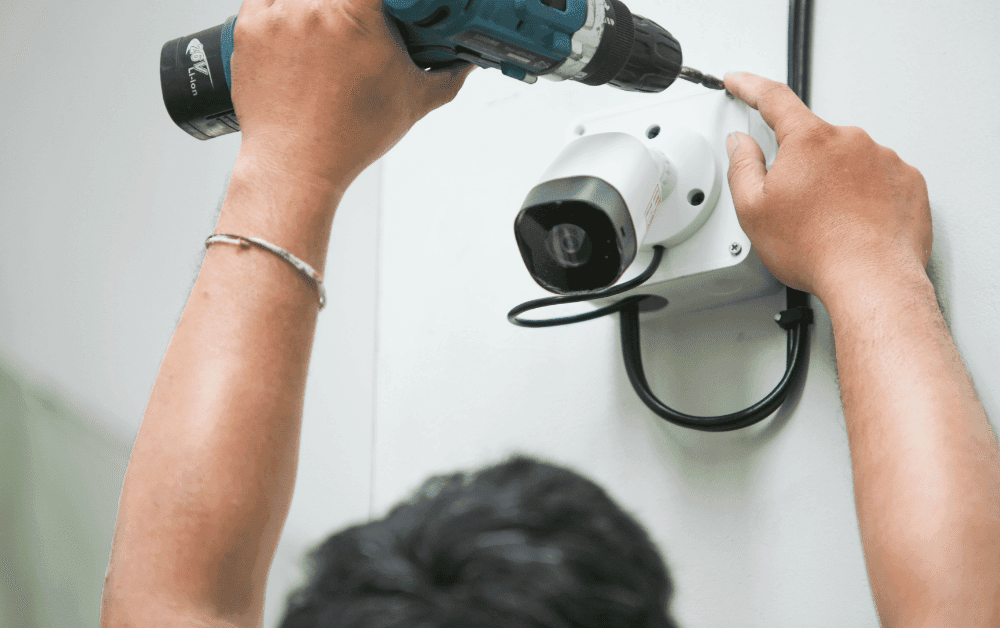
Ready to bring cloud-powered peace of mind to your property? Explore our CCTV security camera installation services and see how easy it is to set up smart, flexible protection that works wherever you are.
CMVR vs Bridge: Choosing the Right Setup for Your Needs
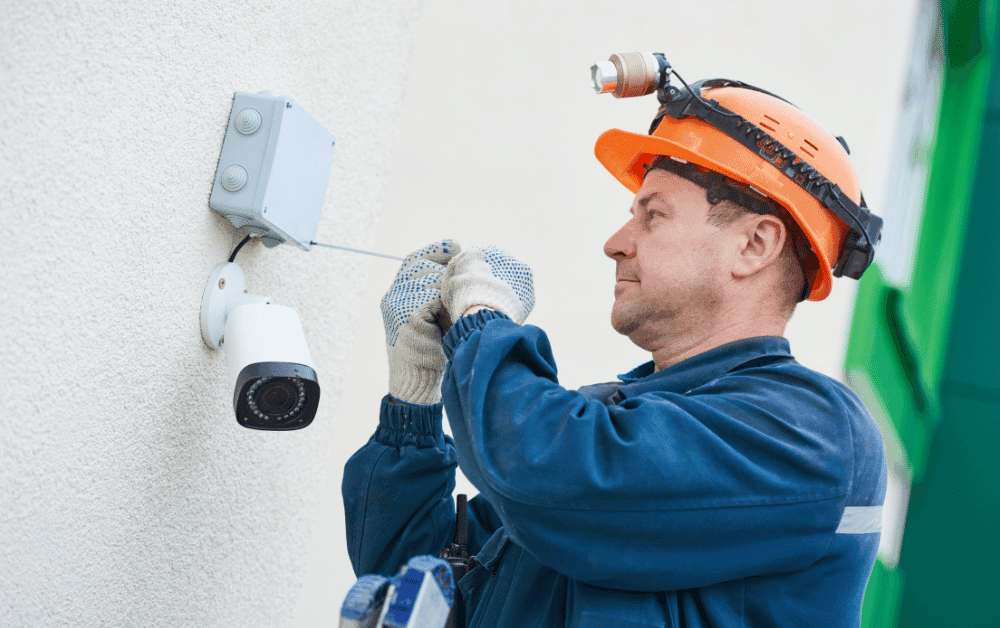
When you’re putting together a cloud-based system, you might come across two options: CMVR and a bridge. Both of these help connect your cameras to the cloud, but they go about it in slightly different ways. A bridge is a simpler, more lightweight choice; it’s a handy device that connects your cameras directly to the cloud with minimal storage needed on-site. This makes it a great fit for setups where all your footage is stored online, allowing you to enjoy easy and real-time access whenever you need it!
A CMVR vs bridge decision often comes down to how much storage you need. A CMVR, or cloud-managed video recorder, is a handy device that comes with built-in hard drives for storing footage locally. It also lets you access your videos in the cloud for easy viewing and management. This makes it perfect for places where internet speeds might not be the best or when regulations call for on-site storage. If you’re looking to combine video feeds with cloud access control systems, your best option will depend on whether you prefer quick cloud streaming or a mix of on-site and cloud storage.
Cloud CCTV for Multi-Site Security
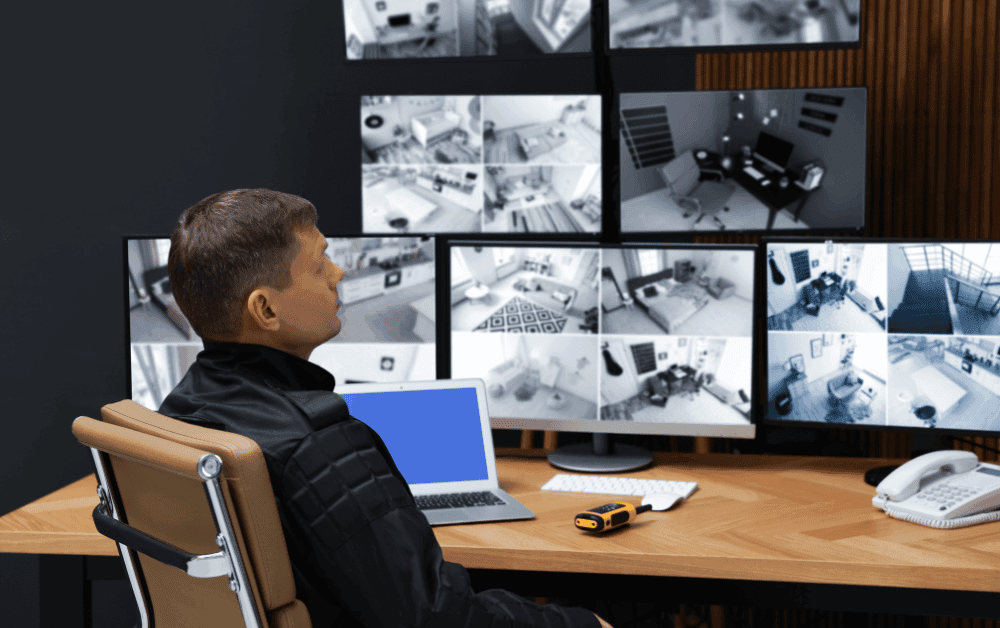
Managing several locations is not that easy, but with a cloud CCTV for multi-site security, everything comes together in one platform. It does not matter if you have two sites or twenty, all your feeds are accessible through a single dashboard. It’s very easy to switch views, check alerts, and review incidents this way.
For businesses with multiple branches, this kind of setup is a game-changer. Remote access security cameras mean you don’t need to physically visit each site to see what’s happening there. You can monitor activity in real time, handle accidents instantly, and make wise decisions without the cost and hassle of constant travel.
Smarter Alerts with Cloud Video Analytics
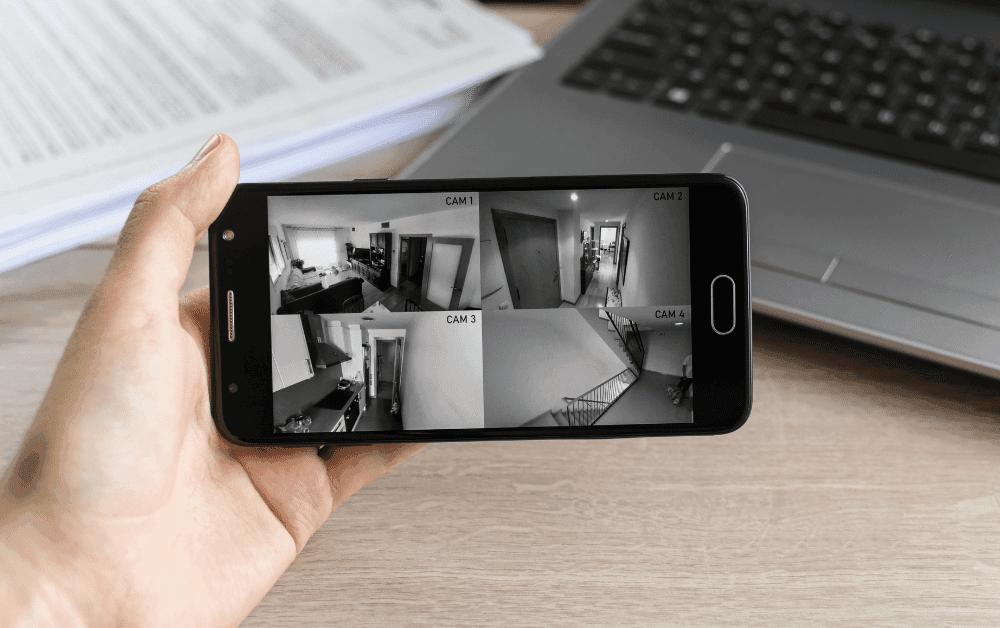
Modern systems go beyond simply recording footage and actually help you spot important incidents as they happen. Cloud video analytics use advanced recognition technology to detect people, vehicles, and behaviours that match your set criteria. For example, you can flag a specifc person and receive alerts the moment they appear on any connected camera.
When paired with cloud-based video surveillance apps, these analytics tools can cover multiple sites at the same time. This means less time looking through hours of footage and more time acting on real, relevant information for you. You can respond faster to security concerns as they happen, track certain patterns over time, and even gather useful operational insights from the data your cameras collect.
Wondering how much it will cost to get a system like this up and running? Check out our CCTV camera installation price guide to find the perfect fit for your budget without compromising on security.
Is It Really Safe? Understanding AWS CCTV Storage
One of the biggest questions about cloud security is whether your footage could be hacked. This is a valid concern but remember that while no system is completely invulnerable, reputable providers use secure cloud infrastructure, often relying on AWS CCTV storage. Amazon Web Services hosts data across multiple highly protected data centres, with strict encryption and access controls in place.
For users of cloud based security cameras, this means your footage is stored in an environment built for maximum safety. With backups, redundancy, and professional monitoring, the risk of losing or exposing your data is reduced compared to a self-managed setup. When you trust your security to a system designed to protect your information, you can focus on protecting what matters the most.

Final Thoughts
Security technology is really evolving, and cloud based security cameras are leading the way! With improved network protection, smarter analytics, and easy management for multiple locations, these solutions are opening up amazing new possibilities. By getting to know the differences between bridges and CMVRs, seeing how they improve on traditional CCTV, and understanding the benefits of secure cloud storage, you’ll be able to choose a setup that perfectly fits your needs today and can grow alongside you tomorrow!
Related articles
Do CCTV cameras capture videos in color?
7 min read