Key Takeaways
Fire alarm fault codes signal system issues, not active fires — understanding what they mean helps you respond correctly and keep your property protected.
- A fault code means something within your fire alarm system needs attention, not that your building is on fire — but it should never be ignored, as it can compromise your system’s ability to protect you.
- The most common fault types include zone faults, detector faults, and power faults — each with distinct causes ranging from wiring issues and dust build-up to battery failure or a tripped circuit breaker.
- Silencing a fault alert without investigating the cause leaves the system compromised — always record the exact message, zone, or device reference shown on the panel before taking any action.
- In the UK, unresolved fire alarm faults can affect BS 5839 compliance, buildings insurance validity, and legal obligations for landlords and commercial property managers.
- Basic visual checks such as inspecting for a tripped breaker or dislodged detector are reasonable first steps, but anything beyond that should be diagnosed and repaired by a certified engineer.
When a fire alarm control panel lights up with a fault message, the natural reaction is concern — and rightly so. Understanding what these codes mean can make the difference between a calm, informed response and unnecessary panic. Fault codes are your system’s way of communicating with you, flagging a condition that needs attention before it becomes a genuine problem. They are not a signal that your building is on fire — but they are a signal that something requires investigation.
For homeowners and property managers across Manchester — whether you are responsible for a terraced house in Didsbury, a commercial premises in the city centre, or a managed block in Salford — knowing how to read and respond to these messages is a core part of responsible fire safety. This guide covers the most common fault types, what they mean in everyday language, and when to call a certified engineer.
What Is a Fire Alarm Fault Code?
A fire alarm fault code is a message displayed on your control panel indicating a problem within the system itself — not an active fire. It could signal a wiring issue, battery failure, or a detector that has stopped communicating with the panel. The system is telling you that its ability to protect you may be compromised, even if there is no fire right now.
According to the UK Home Office, 90% of false fire alarms are caused by faulty apparatus — the exact kind of equipment faults that fault codes are designed to flag. Leaving these codes unaddressed can quietly degrade the reliability of your entire system. A fault code may not feel urgent, but acting on it promptly is how you ensure your alarm will work when it genuinely matters.

How to Read Fire Panel Fault Messages
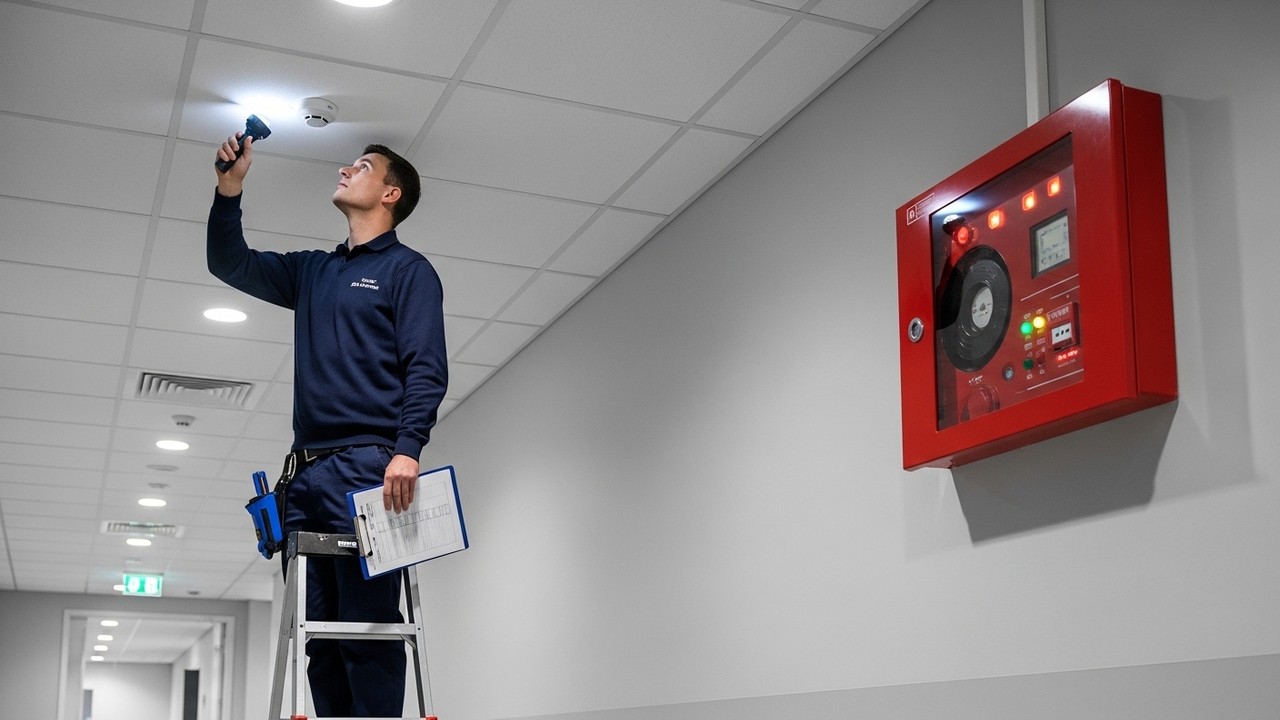
A fire alarm control panel (FACP) is the central hub of your detection system. It receives signals from every detector, call point, and sounder in the building and displays their status in real time. Most UK panels show a front-facing display screen or LED indicator array, with labelled buttons for navigating, silencing, and resetting the system.
Fault messages typically appear as scrolling or static text, accompanied by a steady amber or yellow light — not the flashing red associated with an active alarm. There are three main types of panel indication:
- Alarm condition: A detector has sensed smoke or heat.
- Fault condition: Something in the hardware or wiring is not functioning correctly.
- Pre-alarm or warning: A detector is reading elevated levels but has not yet crossed the threshold for a full alarm.
Knowing which type you are dealing with shapes every decision that follows.
| Panel Indication | Indicator Light | What It Means | Immediate Action |
|---|---|---|---|
| Alarm condition | Red (flashing) | A detector has sensed smoke or heat | Evacuate immediately; call 999 |
| Fault condition | Amber / Yellow (steady) | Hardware or wiring is not functioning correctly | Investigate and contact a certified engineer |
| Pre-alarm / Warning | Amber / Yellow (may vary) | Elevated readings, threshold not yet reached | Monitor closely; investigate the source |
What the Display Is Telling You
UK fire alarm panels vary by manufacturer, but most use a recognisable format. Conventional panels show a zone number and fault type — for example, “Zone 3 Fault” or “Battery Low.” Addressable panels, common in commercial and larger residential properties, display the specific device and fault together — such as “Detector 14 — Device Fault.”
Older panels may use code numbers rather than plain text. In that case, the system manual or a qualified engineer will be needed to translate the code. Whatever the display shows, note the exact wording or code before taking any action — this detail is essential when speaking to an engineer.

Common Fire Alarm Fault Codes Explained
Certain fault types appear far more frequently than others. Understanding what each one means — and what may have caused it — helps you respond appropriately. The most common fire alarm problems fall into a handful of recognisable categories.
What Does a Zone Fault Mean?
A zone fault means the panel has lost communication with one or more devices in a defined section of the building. Buildings are divided into zones — each covering a floor, corridor, or specific area — so the panel can pinpoint where a problem is occurring.
In practical terms, a zone fault means something within that section is not responding correctly. Possible causes include:
- A break or damage in the wiring
- A disconnected device
- A fault within a single detector on that circuit
A zone fault does not necessarily mean the entire system is offline. Other zones typically continue to function, and the panel will indicate which zone is affected.
What Does a Detector Fault Indicator Mean?
A detector fault appears when an individual smoke or heat detector is not operating within its expected parameters. It is one of the most common messages property managers encounter. Likely causes include:
- Dust or debris inside the detection chamber
- Physical damage to the device
- Insect ingress
- A detector that has reached the end of its service life
Research published by PubMed Central (NCBI) confirms that individual device faults are among the most diagnostically distinct fault types in real-world deployments — which is why addressable systems can usually identify the exact device involved.
What Does a Power Fault on a Fire Panel Mean?
A power fault typically falls into one of two categories:
- Mains power fault (often shown as “AC Fail”): The panel has lost its connection to the building’s electrical supply and is running on backup battery. Possible causes include a tripped circuit breaker, a power cut, or a wiring fault between the mains and the panel.
- Battery fault (“Low Battery”): The backup battery is no longer holding sufficient charge, meaning if the mains supply fails, the system has no reliable fallback.
Both conditions reduce the resilience of your fire alarm and should be investigated promptly.
| Fault Type | Typical Display Message | Common Causes | Can You Check It Yourself? | Engineer Required? |
|---|---|---|---|---|
| Zone fault | “Zone [X] Fault” | Wiring break, disconnected device, single detector failure | Visually check for dislodged devices | Yes — if fault persists |
| Detector fault | “Detector [X] — Device Fault” | Dust, insect ingress, physical damage, end of service life | Check for visible damage or dislodgement | Yes — cleaning or replacement needed |
| Mains power fault | “AC Fail” | Tripped circuit breaker, power cut, wiring fault | Check circuit breaker panel | Yes — if breaker is not tripped |
| Battery fault | “Low Battery” | Battery degradation, end of battery life | No | Yes — battery inspection or replacement |
Which Faults Can You Check Yourself and Which Need an Engineer?
There are a small number of checks a property owner can reasonably carry out when a fault appears:
- Check whether a nearby circuit breaker has tripped (relevant for AC power faults).
- Visually confirm a detector has not been physically knocked or dislodged — particularly in areas with recent maintenance activity.
Anything beyond these surface-level observations should be left to a qualified engineer. One of the most common mistakes is silencing a fault without investigating the underlying cause. Silencing clears the audible alert but leaves the fault condition active — the system remains compromised. A study published in AIChE Process Safety Progress found that misidentifying alarm types and failing to act on fault signals are among the leading human-factor failure modes in fire safety. When in doubt, log the fault with the time and panel message, avoid repeated resets, and contact a certified engineer.

When a Fault Code Becomes a Compliance Issue in Greater Manchester
In the UK, fire alarm systems in commercial and managed residential properties are governed by BS 5839 — the British Standard covering design, installation, commissioning, and maintenance. Under this standard, routine servicing is a documented obligation, not an option.
Persistent or unresolved fault codes can be treated as evidence that the system is not being maintained to the required standard. The consequences include:
- Potential challenges to buildings insurance claims following a fire
- Legal liability for landlords and commercial property managers
- Non-compliance with fire safety regulations across England and Wales
For landlords and property managers in Greater Manchester — including those managing houses in multiple occupation (HMOs), commercial units, or purpose-built residential blocks — fire alarm maintenance must be documented and faults resolved within a reasonable timeframe.
How British Engineers Diagnose and Resolve Fire Alarm Faults Across Manchester
At British Engineers, fault diagnosis starts with a thorough review of the panel’s current fault log alongside a physical inspection of the affected zones or devices. Our certified engineers distinguish between surface-level symptoms and root causes — a detector fault message is never assumed to be simply a dusty sensor without ruling out wiring issues, component degradation, or installation factors.
We use only high-quality replacement components that meet UK fire alarm standards, and we carry out full system verification once repairs are complete — confirming the panel is fault-free and all devices are communicating correctly. For property managers handling common fire alarm problems across multiple sites in Manchester and the surrounding areas, our ongoing maintenance support means faults are identified earlier and resolved before they become compliance issues. We also understand that why fire alarms keep going off — or fail silently — often comes down to components left to degrade rather than maintained proactively.

What to Do Right Now If Your Panel Is Showing a Fault
If you are looking at a fault message on your panel right now, stay calm and gather information before taking action.
- Note the exact wording or code on the display, including any zone or device references.
- Check whether the indicator is amber (fault) or red (alarm) — this confirms whether you are dealing with a system fault or an active fire detection event.
- Look for obvious physical causes nearby, such as a tripped circuit breaker for a power fault or a dislodged detector for a zone or device fault.
- Do not silence the fault without understanding its cause, and do not reset the system repeatedly.
- If the fault cannot be explained by a simple visual check, contact a certified engineer with the details you have recorded.
If the panel is also showing an alarm condition, or if there is any sign of smoke or fire on your property, evacuate immediately and call 999.
A fault code in isolation is not an emergency — but it does require a professional response within a reasonable timeframe. The British Engineers team is ready to help homeowners and property managers across Manchester and Greater Manchester resolve fire alarm faults efficiently, transparently, and to the standards your property deserves. Get in touch today to book a fault assessment with one of our qualified engineers.

Frequently Asked Questions About Fire Alarm Fault Codes
What is the difference between a fire alarm fault and a fire alarm alert?
A fault means the system itself has a problem — such as a wiring issue, failed battery, or unresponsive detector — shown with an amber indicator. An alarm means a detector has sensed smoke or heat, shown in red. Faults require investigation; alarms require immediate evacuation.
Can I reset a fire alarm fault code myself?
You can attempt a reset after checking for obvious causes such as a tripped breaker or a dislodged detector. If the fault reappears, do not keep resetting the panel. Repeated resets without resolving the root cause can mask a genuine system failure and leave your property unprotected.
How quickly should a fire alarm fault be fixed?
Under BS 5839, faults should be addressed promptly to maintain system integrity. For commercial properties and managed residential buildings in Greater Manchester, leaving a fault unresolved for an extended period may constitute a breach of fire safety obligations. Contact a certified engineer as soon as possible.
Do fire alarm fault codes affect my buildings insurance?
They can. If a fire occurs and an investigation reveals unresolved fault codes indicating poor maintenance, your insurer may challenge or reduce your claim. Documenting maintenance and fault resolution is important for landlords and commercial property managers.
Why does my fire panel show a fault after a power cut?
During a power cut, the panel switches to backup battery. Once mains power returns, some panels display an “AC Fail” message until the system is reset or the battery recharges. If the fault persists after power is restored, or a “Low Battery” message appears, the backup battery may need professional inspection or replacement.