Tips & Tricks
Should I Put Security Cameras in Every Room of the House?
Wondering, "Should I put security cameras in every room of the house?" Discover smart, strategic security camera placement tips in this guide!
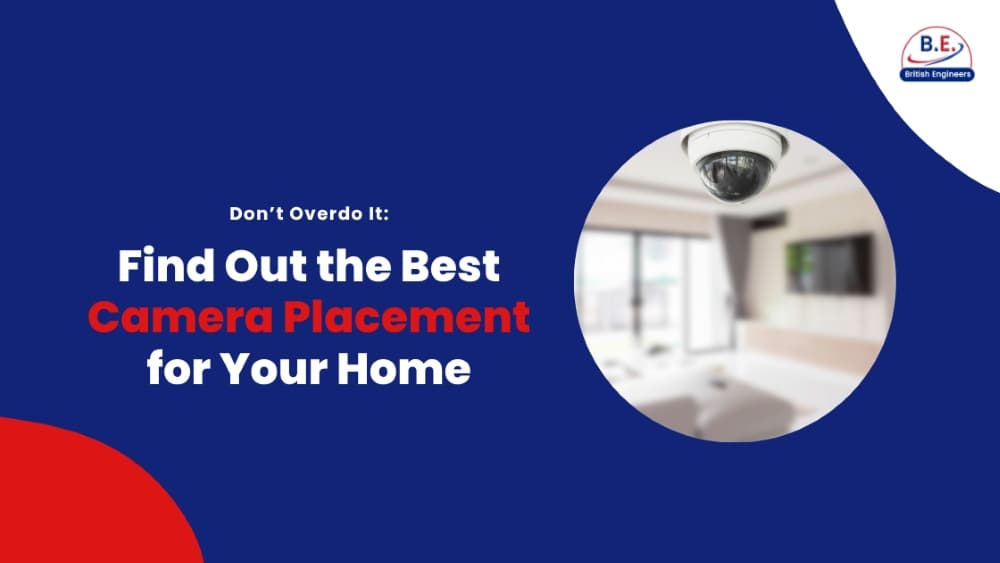
Table of contents
It’s a question that crosses the mind of anyone serious about keeping their space safe: Should I put security cameras in every room of the house? At first glance, it might seem like a solid plan. After all, more cameras must mean better coverage, right? But before turning your entire home into a high-tech maze of lenses and motion alerts, it’s worth pausing. Security isn’t just about surveillance; it’s also about comfort, privacy, and practicality.
The truth is, a camera in every room might not be the smartest approach. It’s less about quantity and more about strategy. Think of your security setup like lighting in a gallery: you don’t need a bulb over every square inch, just the right light in the right spot to make things clear. In the sections that follow, we’ll break down which rooms actually need cameras, where they could cause problems, and how to get the most out of your system without making your home feel like a reality TV set.
Best Rooms to Install Indoor Security Cameras
When it comes to home security camera placement advice, the golden rule is simple: focus on coverage, not clutter. The most valuable indoor spots to monitor are areas where people come and go, such as front doors, back entrances, and hallways that connect different parts of the home. These locations give you maximum visibility with minimal intrusion. You’ll know when someone enters the house, even if you’re away, and you’ll have a record of movement through key spaces.
Don’t stop at the doors, though. It’s also smart to consider rooms that house important items, like a home office with expensive tech or a garage storing tools and equipment. Large living areas can also be good candidates, especially if they have multiple entry points. The idea isn’t to turn your living space into a high-security vault, but to make sure your cameras are positioned where they actually add value. Looking to enhance your home security? Our professional CCTV installation services ensure that your property is protected with strategic camera placement. Contact us today to get started and secure your space with ease.
Privacy Concerns with Indoor Security Cameras: Where Not to Point the Lens
When it comes to privacy concerns with indoor security cameras, some areas are just off-limits. Namely, bedrooms and bathrooms. It might seem like common sense, but it’s worth emphasizing: these are private spaces where people expect to feel safe and comfortable. Having a camera in these rooms can not only feel invasive but also cause discomfort for both household members and guests. Plus, it’s awkward, and let’s face it, no one wants to be watched in their most private moments. Keeping cameras out of these spaces will make sure your security setup doesn’t cross the line.
Beyond the emotional discomfort, there are also legal considerations you can’t ignore. In many countries, including the UK, data protection laws like GDPR are clear: you cannot record someone without their consent, especially in personal or shared spaces. If your cameras capture areas that guests use or other people live in, they may have a right to ask for access to the footage or even request that it be deleted. It’s essential to think about how and where footage is stored, who has access to it, and how long you keep it. Missteps here can lead to legal trouble, and that’s the last thing you want when you’re just trying to keep things safe.
How Many Cameras Are Needed for Home Security?
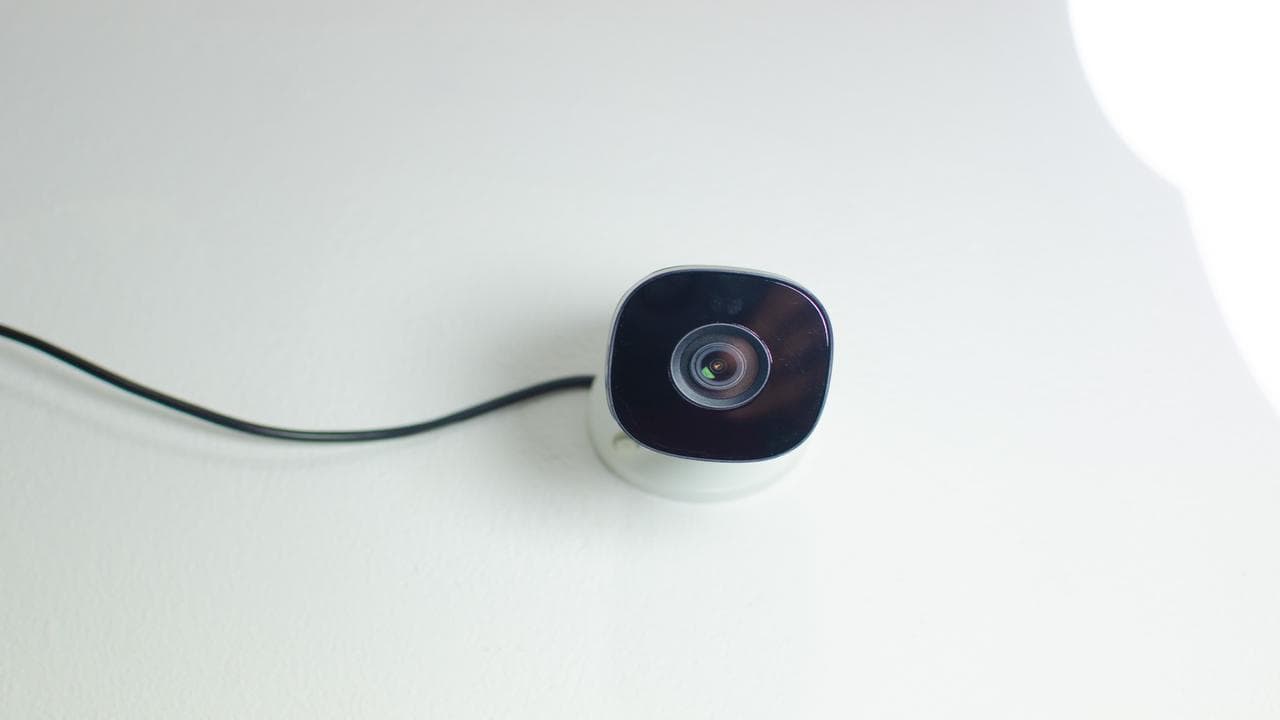
When it comes to how many cameras are needed for home security, the answer depends largely on your home’s layout and needs. For example, in a small flat, one or two cameras placed strategically at entrances and the main living space may be all you need. On the other hand, if you’re in a multi-floor house, you’ll need to cover different areas: front door, back door, stairwells, and possibly a garage or home office. Think about the areas where you’re most vulnerable, and focus on those. It’s about quality placement, not just filling your home with gadgets.
Now, let’s talk about the importance of quality over quantity. Sure, it might sound appealing to have ten cameras covering every inch, but if those cameras aren’t reliable or well-positioned, they won’t be doing you any favors. A few well-placed cameras with features like motion detection, wide-angle lenses, and remote mobile access will give you the coverage you need, without overwhelming your space. Curious about the cost of setting up a CCTV system? Explore our CCTV installation price options and find a plan that suits your needs and budget. Get in touch for a personalized quote and start securing your home today!
CCTV Coverage Recommendations for Homes
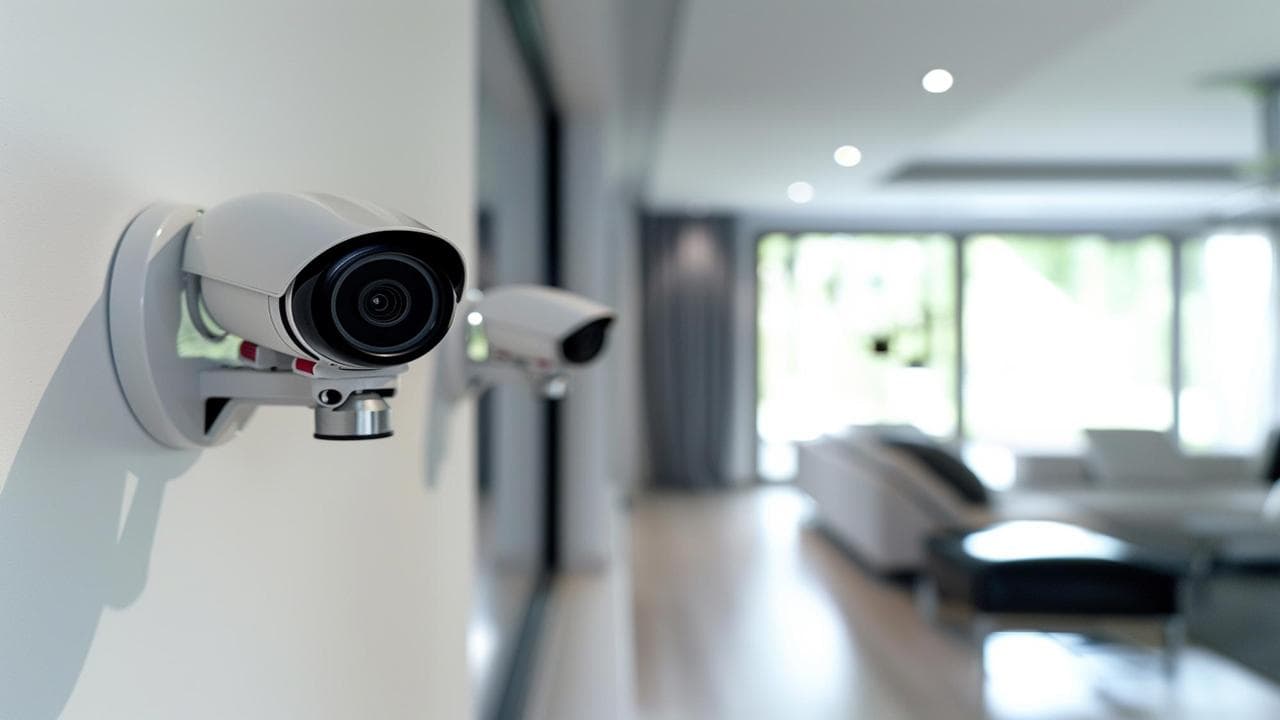
When planning your CCTV coverage recommendations for homes, it’s important to consider both interior and exterior areas. Entrances, including front and back doors, are high-priority spots for cameras, as these are the first places intruders are likely to target. Similarly, transitional spaces like hallways, stairwells, and connecting rooms should also be monitored, as they provide access to multiple areas of the house. A comprehensive security strategy involves covering these key points to ensure that you can track anyone coming and going, while maintaining a clear view of the home’s most vulnerable areas.
You wonder, Should I put security cameras in every room of the house? Not really. To get the most out of your system, you’ll need to think about avoiding blind spots and setting proper viewing angles. Ideally, your cameras should capture wide areas while focusing on entry points, but they shouldn’t infringe on areas where people expect privacy. Make sure your cameras are positioned high enough to avoid obstructions, like furniture or décor. Over-surveillance can also be a problem; it’s easy to go overboard and monitor areas that aren’t critical. Be mindful of striking a balance between effective coverage and respecting the comfort of those living in the space.
So, What’s the Verdict? Let’s Keep It Smart, Not Paranoid
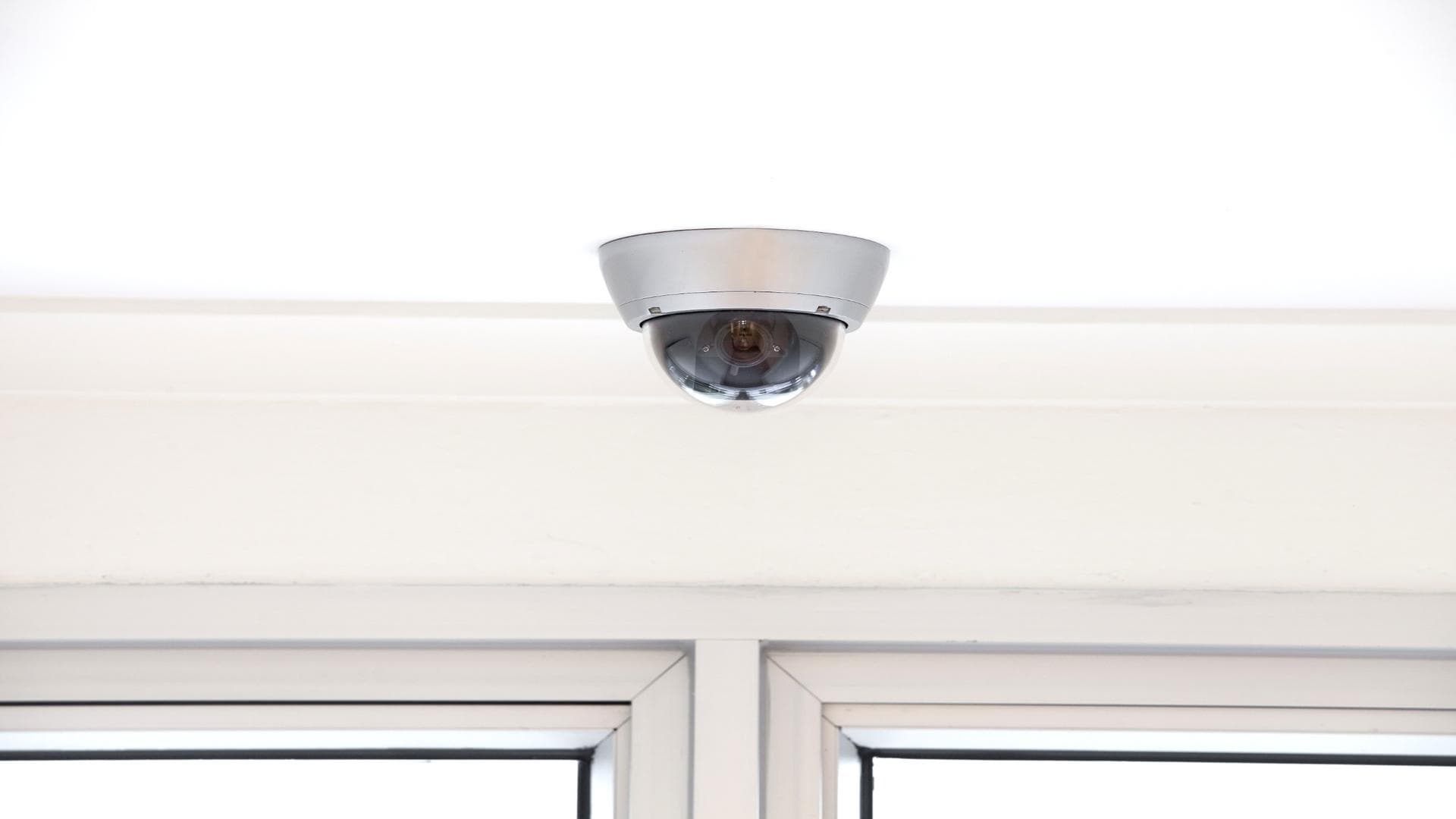
So, should I put security cameras in every room of the house? After exploring the details, the answer is clear: not really. While it might seem like a good idea to blanket every room with cameras, strategic placement wins over saturation. It’s not about having cameras everywhere, it’s about having them where they count the most. Focusing on key areas like entrances, hallways, and shared spaces ensures that you’re covered without overwhelming your home or compromising your privacy.
Remember, smart security isn’t about fear, it’s about foresight. With careful planning and thoughtful camera placement, you can keep your home safe while maintaining a comfortable and livable space. By balancing protection and privacy, you’re not just guarding your home; you’re also creating an environment that feels secure, but not suffocating. So, go ahead and plan your security setup with confidence. Smart decisions today will ensure peace of mind tomorrow.