Security Insights
What’s the Best Power Option for Security Cameras
Looking for the best power option for security cameras? Discover the pros and cons of PoE, battery, solar, and DC adapters.
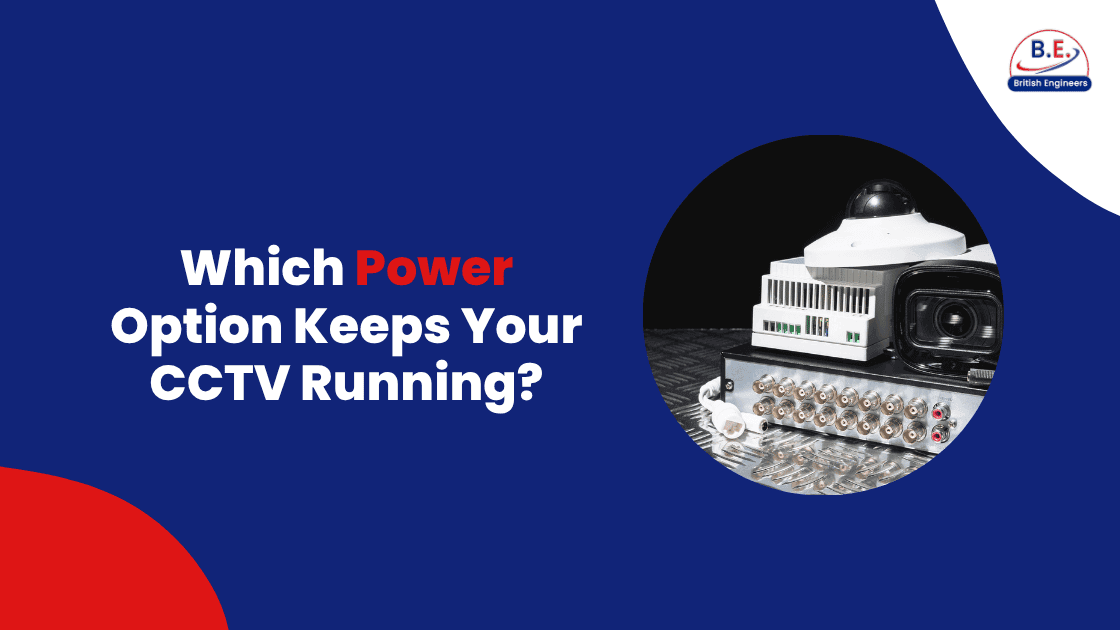
Table of contents
When it comes to selecting the best power option for your security cameras, it’s important to think about reliability, how easy it is to set up, and the sometimes unpredictable UK weather. If you’re able to run a cable, Power over Ethernet (PoE) is a fantastic choice! For those short indoor connections, using 12 V adapters is a budget-friendly option.
And don’t forget about modern batteries, they can last anywhere from eight months to even two years! If you’re considering solar options, solar-battery hybrids can keep your cameras running even during those gloomy December days in the UK. So, come along as we guide you through choosing the best plug, beam, or stream solution for your needs!
Best Power Option for Security Cameras
Imagine catching someone trespassing at 3 a.m. because the camera didn’t stop working at 2:59. Installers say Power-over-Ethernet (PoE) is very reliable and doesn’t need battery changes. That’s why many businesses choose it. A single Cat-6 cable can carry data and provide up to 90 W per port. This allows you to connect a UPS to the switch so the camera keeps recording even if the power goes out.
When choosing a camera package, consider four power options: a 12 V DC adapter for reliable, continuous power via a wall outlet; Power over Ethernet (PoE) for streamlined data and power transmission through a single cable; a rechargeable battery for flexibility in areas without easy power access; and a solar-battery hybrid for sustainable energy in remote locations. Evaluating these options will help you select the best setup for your needs.
DC power adapter for CCTV: The plug‑and‑play classic
Don’t leave storefronts and server rooms powered on all the time. A DC power adapter works well for CCTV. Most analogue and some Wi-Fi cameras use 12 V at 0.5–1 A through a 5.5 mm barrel plug. Installers recommend using a power supply that is 30% bigger than the maximum draw to prevent the IR LEDs from dimming at night. Use 18-gauge two-core wire for runs up to about 30 meters, or you may see image flicker when the LEDs turn on.
For outdoor setups, follow BS 7671. Any new socket, spur, or fused connection needs 30 mA RCD protection and must be approved by a qualified electrician. For indoor setups, keep power supplies close to the DVR rack and label them. You’ll appreciate this if the cleaner accidentally unplugs the wrong one!
PoE vs battery‑powered camera: One cable or no cable?
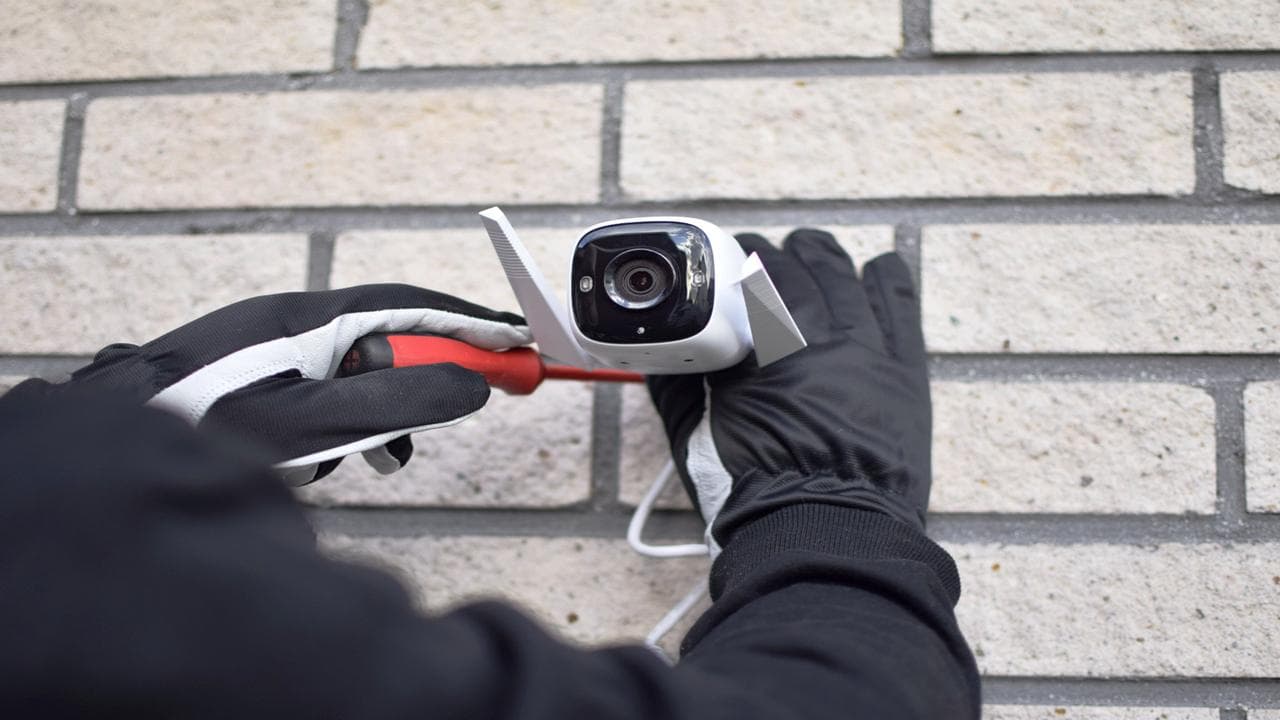
The 802.3af standard delivers 15.4 watts, the 802.3at standard provides 30 watts, and the 802.3bt standard can give up to 90 watts through four twisted wires. This power is enough for a PTZ camera and a heater during winter. Power over Ethernet (PoE) only needs a single 6 mm hole in the wall, with no other maintenance required. Because of this, many experts call it the best option in the debate between PoE and battery-powered cameras.
Battery-powered cameras offer flexibility. Pocket-lint found that the Arlo Pro 5S lasts about eight months on one charge with mixed use. TechRadar reported that the Blink Outdoor 4 can run for an impressive two years on two AA lithium batteries. These rechargeable wireless security cameras work well where drilling is not allowed, but they cannot record continuously at 24 frames per second to save battery life.
Choosing PoE, solar, or battery-powered cameras is only part of the job. See how our professional business CCTV installation ensures the right power setup for long-term reliability.
Solar-powered security camera in the UK: Harnessing grey skies
Do you think solar power is just a joke in Britain? In December, the country gets only about 50 hours of sunlight, which is less than two hours a day. In the darkest parts of winter, it can drop below 25 degrees. However, tests show that modern solar camera kits can stay over 90 percent charged even after several cloudy days. Long-term tests in southern England show that these cameras often don’t need to be recharged at all.
The secret is the size of the solar panel. Many guides now recommend using at least a 5 to 6-watt panel, tilted at about 35 degrees and facing south, to keep the battery charged all year. A typical solar-powered security camera package in the UK includes the panel, a mounting bracket, and a long cable, so you can capture as much winter light as possible. Some hybrid models can also connect to mains power or USB for extra charging in winter, giving you three ways to keep the camera working when the weather is bad.
No socket? No problem: stealthy power plays
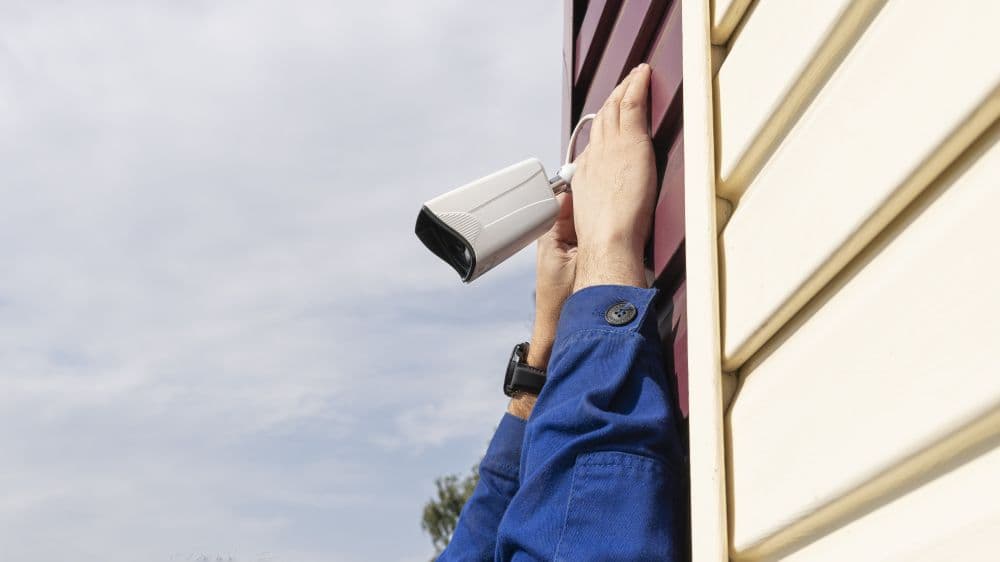
Want to install CCTV without needing a power outlet? Here are three legal ways to do it while staying powered:
- You can use a PoE extender over Cat‑5e. This solution needs just a small hole and provides power and data for up to 100 m or more. It saves you from having to install a new mains point.
- A light‑fitting adaptor lets you turn an external flood-light socket into a 12 V power source or USB‑C supply. Many YouTube guides show you how to make this change without extra wiring.
- If you want to go completely off-grid, you can attach a 6 W solar panel to a battery-powered camera. Just one trip up a ladder, and you will have no bills.
Remember, if you change fixed wiring, Part P rules apply. Set aside some money for an electrician to check any new connections.
Wondering how much PoE vs solar setups might cost? Check our detailed CCTV installation prices to plan your budget around the power option that fits your site best.
Power Matchmaking: Your Quick Decision Tool
Get a notepad and evaluate each location:
- Can you use Ethernet? → Choose PoE for convenience and peace of mind.
- Is the area sunny for two hours each day? → A solar hybrid is the best power choice for security cameras there.
- Is it a temporary or rented space? → Select rechargeable wireless security cameras and consider adding a panel later.
- Do you already have coax and a DVR? → Keep the 12 V adapters and upgrade your cameras first.
Having reliable power for your cameras is way more important than just getting that extra megapixel! Take a moment to check your cable paths, consider how much sunlight the area gets, and think about how often you’ll be visiting the setup. Once you’re ready, jot down the distance to the power source, the sunlight conditions, and your visitation frequency. After that, choosing the best power option for security cameras wouldn’t be that complicated; just pick a plug-in, beam, or streaming option that keeps your cameras running smoothly while you take care of everything else.
Related articles
How is the wireless CCTV camera powered?
6 min read