Uncategorized
Wireless Burglar Alarms vs. Hard-Wired Burglar Alarms
Compare wireless burglar alarms vs hard-wired burglar alarms to find the best fit for your property in this guide.
Table of contents
In a world full of smart tech, cloud backups, and Bluetooth everything, even alarm systems have joined the wireless revolution. But the ongoing debate around wireless burglar alarms vs hard-wired burglar alarms is far from settled. Some swear by the rock-solid reliability of wires-in-the-wall, while others lean toward the sleek, cordless convenience of wireless setups. The truth? There’s no one-size-fits-all solution, especially when security is on the line.
Over the next few sections, we’ll unpack what really matters: how each system performs, how flexible they are for growing needs, what they’ll cost you (upfront and over time), and how well they actually keep intruders out. This isn’t a showdown for tech enthusiasts; it’s a side-by-side, practical look at two options that serve the same goal: protecting your space.
Which Is Better: Wireless or Hard-Wired Alarm System?
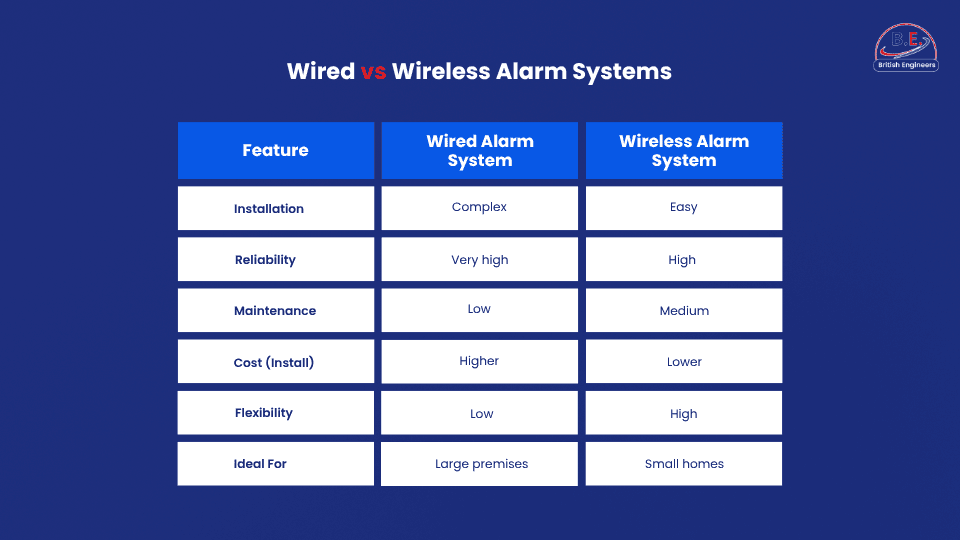
Let’s get straight to it. Which is better: wireless or hard-wired alarm systems when it comes to reliability? Traditionally, wired alarm systems have built a solid reputation for being dependable and interference-free. They’re physically connected, so you don’t have to worry about signal strength or dropped connections. But to be fair, wireless systems have seriously stepped up. Modern versions don’t suffer from the old-school signal hiccups or quirky sensor delays that once held them back.
That said, a few key differences still stand. Wireless alarms rely on batteries and radio signals, which means you’ll need to swap out batteries every so often and be mindful of potential interference, from thick walls to nearby Wi-Fi traffic. Think of it this way: your alarm shouldn’t need a recharge like your phone. On the flip side, wired alarm systems tend to be more reliable over time, especially in buildings with lots of square footage or dense materials that can affect signal strength.
Installation Drama: Expect Dust or Just Stick & Go?
Here’s where things get messy or not. Installing a wired alarm system is kind of like inviting a contractor to rearrange your walls. It involves drilling, routing cables through ceilings and corners, and potentially repainting when it’s all done. If you’re not a fan of drywall dust and toolboxes, this might feel like more trouble than it’s worth.
On the flip side, wireless systems are the definition of plug-and-play. Most sensors are adhesive-backed, and the control panel connects without a single hole in the wall. That’s a major win for speed and simplicity. If you’re already in the middle of a renovation, sure, wired might fit right in. But if you’re working with a heritage building or a tight schedule, wireless makes a whole lot more sense. Need a system that matches your space and setup? Whether you go wired or wireless, our alarm system experts are ready to design a solution that works for you. Explore your installation options today.
Cost & Maintenance in Wireless vs Wired Alarm Systems for Businesses
Let’s talk numbers, not just the price tag, but the real cost over time. When it comes to setup, wireless systems are generally more budget-friendly. They’re faster to install, require less labor, and won’t leave you with patch-up jobs afterward. But they do ask for a bit more attention later on; battery changes, the occasional sensor reset, and keeping an eye on signal strength are all part of the package.
On the other hand, wired systems can offer better long-term value for commercial spaces, especially when reliability and minimal maintenance are key. Once installed, they quietly do their job with little need for follow-up. But that stability comes with a higher upfront investment, both in time and cost. It’s the classic trade-off; wireless vs wired alarm systems for businesses is like choosing between a fuel-efficient hatchback and a high-maintenance vintage car: one’s easier now, the other pays off down the road. Already have a system in place but not sure it’s performing its best? Keep things secure and stress-free with our alarm system checkups to prevent surprises down the line. We’ll make sure everything runs smoothly.

Hard-Wired Alarm Systems for Businesses: The Old Guard Still Stands Strong
There’s a reason hard-wired alarm systems for businesses haven’t gone out of style. They’re built for the long haul: durable, low-maintenance, and free from the quirks of wireless connectivity, in environments where tech reliability is non-negotiable, having a system that isn’t affected by Wi-Fi congestion or battery life is a huge plus. These systems are also less likely to fall prey to signal interference or jamming, giving them an edge in high-security areas.
Scalability is another win. For larger spaces like warehouses, showrooms, or multi-floor offices, wired systems provide stable coverage without worrying about signal drop-offs between floors or rooms. Choosing between wireless burglar alarms vs hard-wired burglar alarms often depends on scale and layout, and in the world of bigger, busier properties, wired still holds its ground. If you need a system that’s easy to install and fits your home’s layout, our home alarm solutions cover both wired and wireless setups. Get peace of mind with expert support from start to finish.
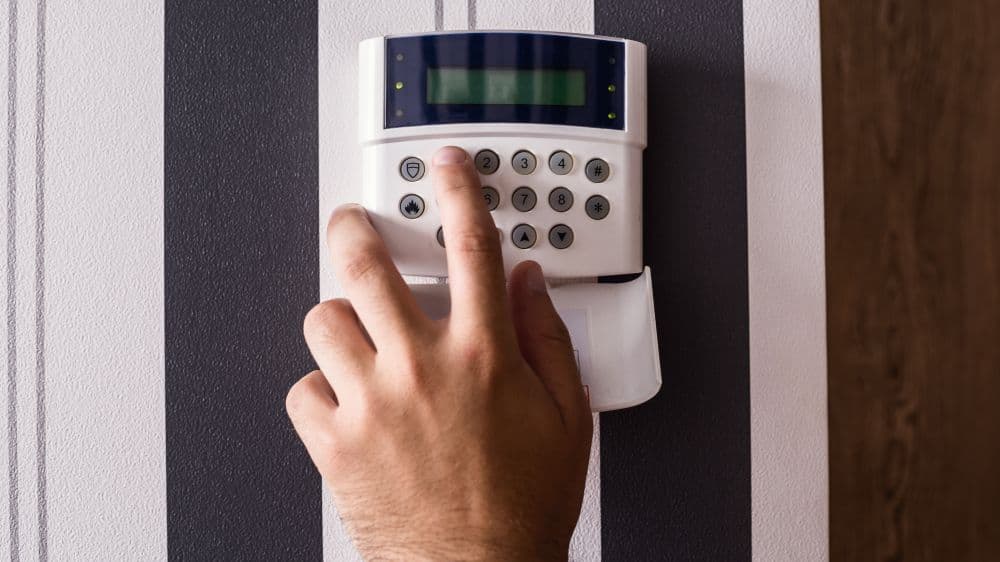
So, Who Wins the Alarm Showdown?
Let’s be honest; this isn’t a battle with a clear-cut winner. Wired alarms are the dependable old guard: grounded, low-maintenance, and perfect for places that need all-day, every-day stability. Wireless alarms? They’re the nimble newcomers; quick to set up, easy to expand, and ideal for those who hate cables more than they love drills. Each brings something valuable to the table.
In the end, the choice between wireless burglar alarms vs hard-wired burglar alarms depends on what matters most to you. Think about your space, how fast you need to get up and running, your budget, and whether your needs might change in the near future. Alarm systems are serious business, but picking one doesn’t have to feel like a puzzle. With the right info in hand, you’re already halfway there.
Related articles
What Is a NUD Alarm? A Full Guide
7 min read